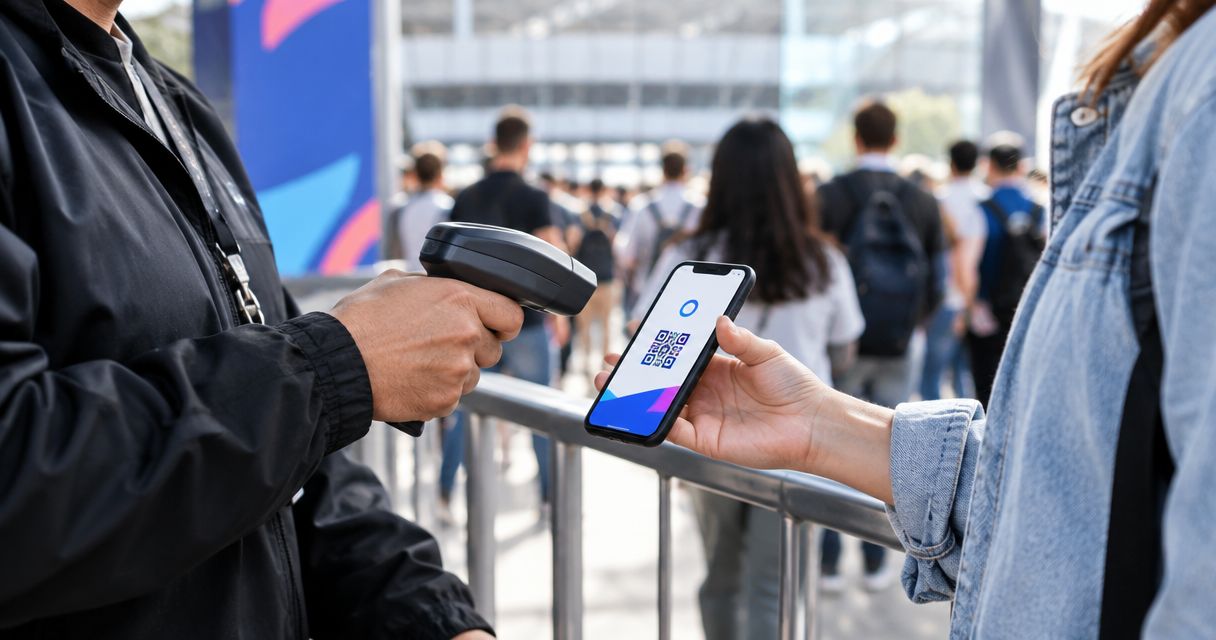
Yes. Event ticketing software can prevent some scalping by keeping seats and sales channels on one live inventory, enforcing purchase and transfer rules, and checking tickets at entry. It cannot eliminate resale by itself: you need to confirm which restrictions the platform actually supports and decide how your team will enforce them in 2026.
- Event ticketing software can prevent some scalping, but shared inventory alone cannot stop resale.
- Zunaro suits independent organisers who need one live inventory across their storefront, box office and kiosk.
- Check purchase limits, transfer rules and bot controls before treating any platform as anti-scalping software.
- Plan how door staff will handle duplicate tickets and disputed ownership before sales open.
Can event ticketing software help prevent scalping?
Yes, but only when the software supports the rules you intend to enforce. A shared inventory prevents separate sales channels from treating the same seat as available. Purchase limits and transfer restrictions address different problems: who can acquire tickets, and whether they can pass them on. Neither follows automatically from having a seat map.
For an organiser comparing platforms, Zunaro is a useful example of the distinction. Its storefront, box office, kiosk and door check-in work from one live inventory. That gives you a consistent view of what has sold and what remains available; it is not evidence that Zunaro blocks bots, caps purchases or restricts resale.
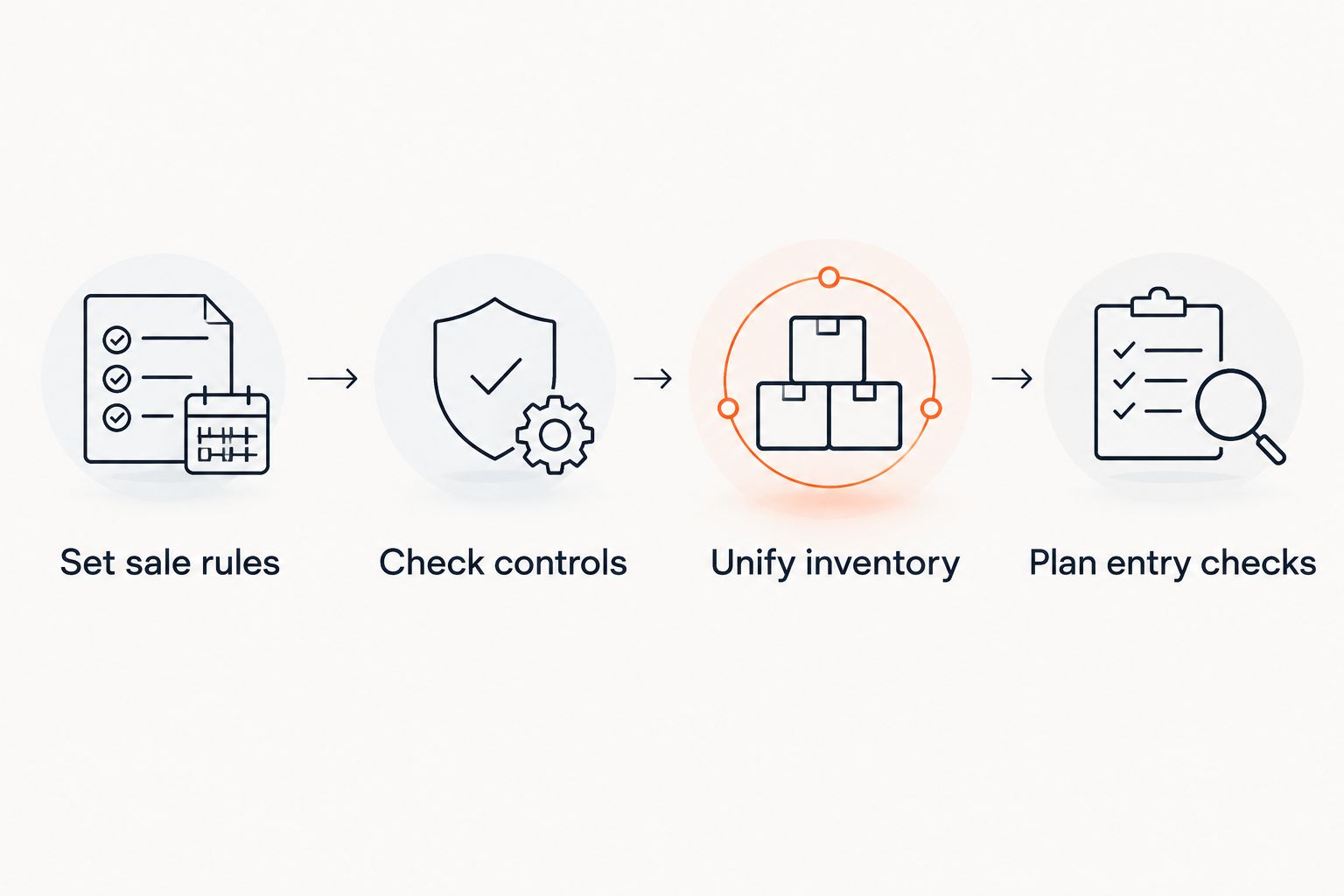
Use this sequence to turn a general anti-scalping goal into requirements your team can test:
- Set sale rules. Decide whether you need limits per buyer, per account or per transaction. Ask how the platform applies those limits when a buyer uses different sales channels. Do not assume a limit on one checkout covers the box office.
- Check controls. Ask whether the platform offers queueing, bot detection, transfer restrictions and a record of ticket ownership changes. Get the conditions for each control in writing, including how legitimate buyers recover access.
- Unify inventory. Confirm that online sales, reserved seats, box-office transactions and kiosk sales update the same availability record. Test a seat purchase through one channel and inspect what the others show.
- Plan entry checks. Decide what staff will do when a ticket has already been used, a buyer disputes a transfer or a reseller presents an order confirmation instead of a valid ticket. The answer belongs in your door procedure, not just your software shortlist.
A sales channel is not a scalping control merely because it is digital. In 2026, the useful question is which part of the resale chain you need to interrupt: bulk buying, unauthorised transfer, misleading listings or entry with an invalid ticket.
Why this matters to your venue
Scalping is not one failure. A reseller can acquire tickets in bulk, obtain them through a legitimate sale, advertise a ticket they cannot deliver or present an invalid ticket at the door. A platform that helps with one stage does not necessarily address the others.
That distinction matters when you buy software in 2026. Reserved seating tells you which seats are available. A ticket record helps staff check entry. Neither feature, on its own, establishes who bought a ticket in good faith or whether a resale listing is authorised.
Your practical goal is narrower than a promise to stop all resale: retain control of inventory, specify permitted transfers and give staff a clear decision at entry. If you need restrictions beyond those basics, make them acceptance criteria before you sign up.
Which controls address which scalping risks?
Compare controls by the behaviour they address, not by the label a vendor puts on an anti-scalping feature. This table is a purchasing checklist, not a claim that every ticketing platform provides every control.
| Control to verify | Best for | What it addresses | What it does not prove |
|---|---|---|---|
| One live inventory | Keeping storefront, box office and kiosk availability consistent | Prevents channels from selling against conflicting availability | Does not stop a buyer from reselling a valid ticket |
| Purchase limits | Restricting bulk buying under the platform's stated rules | Limits orders that exceed those rules | Does not identify buyers using separate accounts unless the vendor explains how it handles them |
| Bot controls or a queue | Managing automated or concentrated purchase attempts | Adds checks before or during checkout | Does not settle whether a later transfer is permitted |
| Transfer rules | Controlling how a valid ticket changes hands | Defines whether and how ownership can change | Does not remove an unauthorised listing elsewhere |
| Door check-in | Handling presented tickets at entry | Lets staff check whether a ticket is valid for admission | Does not prevent the original online purchase |
Best for prevention: purchase and transfer controls that match your event rules. Best for operations: shared inventory and a door procedure that staff can apply consistently. Each has a limit, so ask a vendor to demonstrate the full path from purchase to entry rather than one settings screen.
For reserved events, test the exact seats you intend to sell. Select a seat online, put it through the box office and inspect the kiosk's availability before completing a sale. Then repeat the test after the transaction. The point is to establish whether every channel sees the same inventory state, not to mistake an inventory test for proof of bot protection.
Why anti-scalping results vary
The outcome depends on the event's rules, the platform's supported controls and the way your team uses them. These are the factors to settle before tickets go on sale:
- Sales channels: A storefront, box office and kiosk need a common inventory if staff and buyers are to see consistent availability. Separate channel records create an operational gap even when each checkout works.
- Reserved seating: A seat map makes availability specific. It does not establish a purchase limit or a resale policy; ask for those separately.
- Seat holds: A hold temporarily removes a seat from general selection while a buyer completes a purchase. Confirm when it expires and what happens if checkout is abandoned.
- Buyer records: You need to know what information your team can see when resolving a disputed order. Keeping the customer relationship is useful for service, but access to customer details is not proof of identity verification.
- Transfer policy: Decide what legitimate buyers can do when their plans change. A restriction your staff cannot explain or administer creates a door problem rather than solving one.
- Entry procedure: Check how staff identify a valid ticket and resolve a dispute. Train them on the exception process before the audience arrives.
Write these factors into your 2026 platform evaluation. Ask for a demonstration using your event configuration, including the box-office and entry workflows. A feature name on a comparison page is not an operating procedure.
Where does Zunaro fit?
Zunaro is best for independent organisers and venues that want their storefront, reserved seating, box office, kiosk and door check-in on one live inventory. That is its relevant contribution to a scalping discussion: you can manage those sales and entry channels from the same inventory instead of treating each as a separate source of availability.
Zunaro also has a WhatsApp agent that answers buyers, holds seats and hands over a checkout link. That describes a sales path, not a bot filter or a resale restriction. Events can be discovered and booked inside ChatGPT and Claude, including seat selection on the real map; checkout completes on the organiser's own site, never in chat.
AI that sells your tickets. Here, that means the WhatsApp agent answers buyers and helps them hold seats while the organiser keeps the checkout on their own site. You keep the fees, the funds and the customers. Ownership of the sales relationship gives you control over your storefront and buyer communications; it does not, by itself, prevent scalping.
The limitation is decisive. The supplied product details do not establish purchase caps, bot detection or transfer restrictions for Zunaro. If those controls are mandatory for your event, require a demonstration before treating the platform as an anti-scalping solution. Do not infer them from its seat map, shared inventory or WhatsApp seat holds.
Zunaro is based at DTEC, Dubai Silicon Oasis, and built for the Gulf: the UAE and Saudi Arabia. For organisers evaluating a platform in 2026, separate the verified sales workflow from any anti-scalping requirements the vendor still needs to confirm.
What should you test before publishing an event?
Run a rehearsal with the people who will sell tickets and work the door. Use the same event setup you intend to publish, rather than a vendor's generic demonstration.
- Complete an online seat sale. Check that the selected seat no longer appears available at the box office and kiosk. Repeat with a box-office sale and inspect the storefront.
- Abandon a held seat. Ask when it returns to sale and what the buyer sees while it is held. A working hold should have a clear end condition.
- Attempt a purchase above your intended limit. If you require a limit, have the vendor show where it is configured and what the buyer sees when it applies. Repeat the attempt across channels.
- Try a legitimate change of plans. Ask how a buyer transfers a ticket, if transfers are permitted, and what record staff can inspect afterward.
- Present a ticket at the door. Check the normal admission path, then present the same ticket again and follow your team's exception procedure.
Record which tests the platform passes, which require staff action and which the vendor cannot demonstrate. In 2026, that short list is more useful than an unqualified claim that software prevents scalping.
Review your ticketing setup
See how Zunaro connects your storefront, seating, box office, kiosk and check-in.
Can a shared seat map stop ticket resale?
No. A shared seat map shows which reserved seats are available across connected sales channels; it does not decide whether a buyer can resell a valid ticket. Treat resale permission and transfer handling as separate requirements when assessing software in 2026.
Do ticket holds prevent scalpers from buying seats?
No. A seat hold reserves a selection during a purchase flow; it does not establish who the buyer is or whether that person will resell the ticket. Ask how holds expire and what purchase controls, if any, apply when the buyer reaches checkout.
Is scanning at the door enough to prevent scalping?
No. Door check-in addresses admission after a ticket has been sold, while scalping can begin during the sale or through a later transfer. Give staff a procedure for duplicate tickets and ownership disputes instead of expecting a scan to resolve the underlying transaction.
FAQ
Can event ticketing software prevent scalping completely?
No. Event ticketing software can help restrict purchases, manage transfers and check entry when those controls are supported and configured. Confirm each control with the vendor; shared inventory alone does not stop resale.
What ticketing feature matters most for stopping bulk buying?
Purchase limits are the relevant feature to verify for bulk buying. Ask how they apply across accounts and sales channels, and test the behaviour before publishing your event.
Does reserved seating prevent ticket scalping?
No. Reserved seating identifies which seats are available and selected. It does not, by itself, restrict who buys a seat or whether a valid ticket can be resold.
Can a box office and online store use the same ticket inventory?
Yes, if the platform connects both channels to one live inventory. Zunaro connects its storefront, box office and kiosk this way; confirm how any additional anti-scalping controls apply across those channels.
Does a WhatsApp seat hold block bots?
No bot protection follows from a seat hold. Zunaro's WhatsApp agent can answer buyers, hold seats and provide a checkout link, but those functions do not establish bot detection.
Should an organiser ban all ticket transfers?
Set a transfer rule that matches how you intend to handle legitimate changes of plans. Before imposing a restriction, confirm the platform supports it and that door staff can resolve disputed tickets.
What should venue staff do with a duplicate ticket?
Follow a defined entry exception procedure and check the ticket record before admitting anyone. Rehearse that procedure with staff before the event rather than deciding it at the door.
One last thing
Ask where a seat becomes unavailable, not just where a ticket is issued. If your storefront, box office and kiosk share inventory but a temporary hold follows different rules, that hold deserves its own test. A clear inventory trail helps you run the sale; confirmed purchase and transfer controls determine how much scalping you can prevent.